

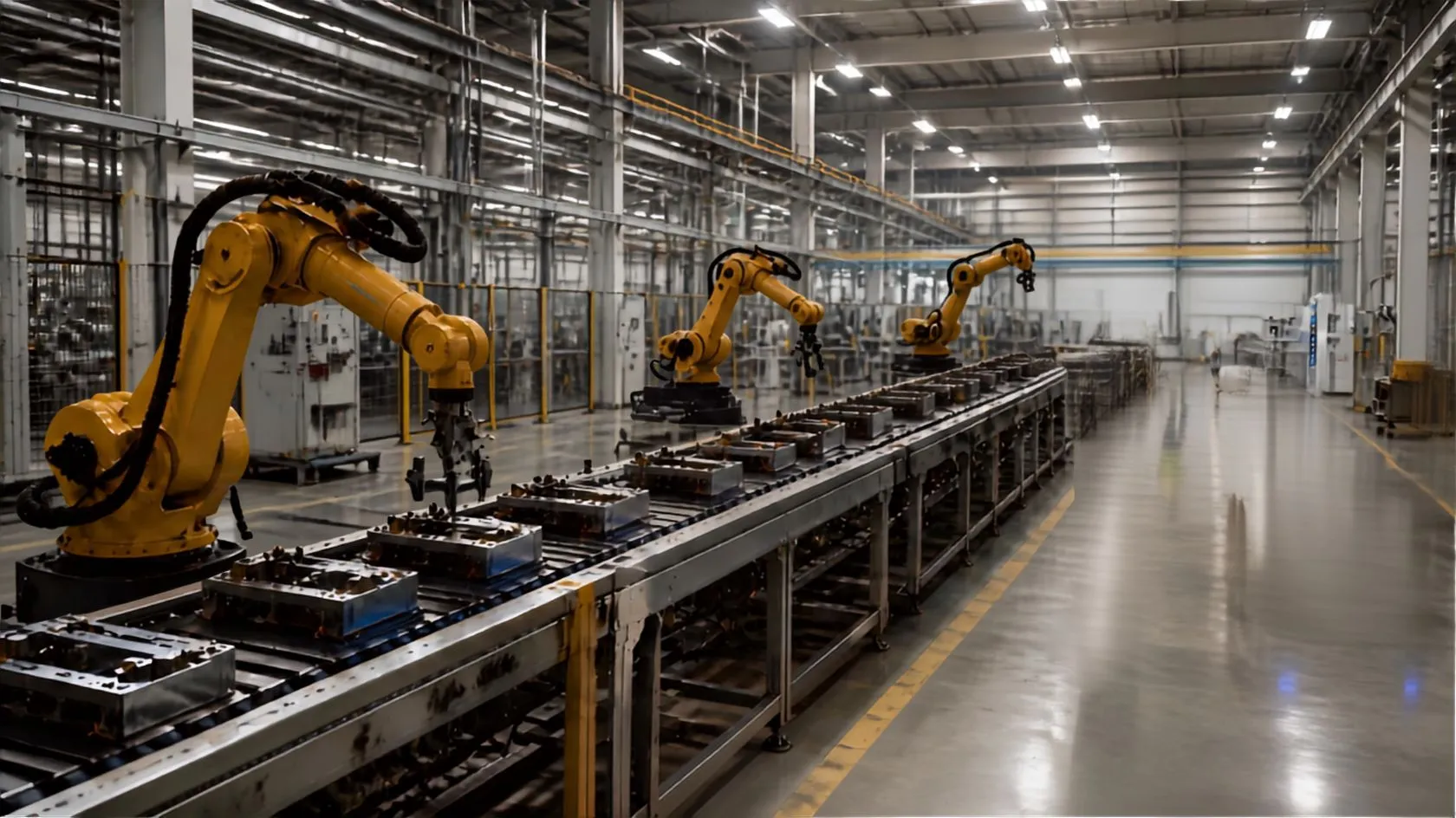
Organizations across construction, energy, manufacturing, and transportation continue to invest in technologies that improve safety, productivity, and operational performance. As these investments reshape the way work gets done, they also create an important opportunity: helping insurers better understand and recognize today’s risk environment when evaluating coverage and pricing.
From drones and robotics to autonomous inspections and remote monitoring, technology is changing how businesses manage risk. The question is no longer whether these tools create value. The question is how that value should be reflected in the underwriting process.
Technology Is Changing the Nature of Risk
For many organizations, technology has become a critical part of their safety and risk management strategy.
Construction firms use drones to inspect job sites and monitor progress from a safe distance. Energy companies leverage autonomous equipment to inspect pipelines and facilities. Robotics can perform repetitive or hazardous tasks that once required direct employee involvement.
These innovations deliver benefits that extend beyond operational efficiency:
- Reduced employee exposure to hazardous environments
- Improved safety oversight and compliance
- Faster identification of potential issues
- Better documentation and reporting
- Lower frequency of incidents and injuries
As workplace risks evolve, companies are increasingly looking for ways to ensure their insurance programs recognize those improvements.
A Lesson from Telematics
The transportation industry provides a useful example of how underwriting can evolve alongside technology.
A decade ago, telematics systems were largely viewed as an optional enhancement. As more data became available, insurers gained confidence in their ability to improve driver behavior, reduce accidents, and better manage fleet risks.
Over time, telematics moved from a competitive advantage to an industry expectation.
Why? Because the data demonstrated a clear connection between technology adoption and improved risk outcomes.
Today, emerging technologies such as drones, robotics, artificial intelligence, and automated monitoring systems may be following a similar path. As organizations continue to document their impact on safety and performance, there is growing potential for these tools to influence how risk is evaluated and priced.
The Missing Link: Turning Data Into Insight
Most organizations already collect a significant amount of safety and operational data. The challenge is not a lack of information. The challenge is ensuring that information is presented in a way that is meaningful and actionable during the underwriting process.
As information moves between policyholders, brokers, wholesalers, managing general underwriters and carriers, critical context can be lost. Valuable insights about technology investments and their impact on safety may not always be communicated in a consistent or measurable way.
This creates an opportunity for businesses, brokers and insurers alike.
Organizations that can clearly demonstrate how technology reduces risk will be better positioned to have more informed conversations around underwriting, coverage strategies and insurance costs.
Where Technology Can Drive Meaningful Impact
Consider an oil and gas company that uses autonomous drones to inspect facilities and monitor pipeline infrastructure.
Instead of requiring employees to climb towers, travel extensive routes or conduct manual inspections, the company can collect critical visual data remotely and identify potential issues earlier.
The impact can be significant:
- Reduced workers’ compensation exposure
- Lower liability risks through more frequent inspections
- Fewer vehicle-related exposures
- Improved identification of safety concerns and PPE compliance
- Faster response to potential maintenance issues
Technology also changes how work is performed. As certain responsibilities become automated or remotely monitored, organizations may reallocate employees into different roles with different risk exposures.
What the Workers’ Compensation Savings Can Look Like
The financial impact is where the conversation becomes especially compelling. When technology removes employees from higher-hazard tasks and shifts some responsibilities to remote monitoring or administrative oversight, the workers’ compensation classification may change as well.
For example, an employee with $75,000 in payroll classified under Pipeline Construction may generate approximately $6,750 in annual workers’ compensation premium. An employee with the same payroll classified for clerical monitoring duties may generate approximately $188 annually. That is a difference of roughly $6,560 per employee, per year.
| Classification | Payroll | Rate / $100 | Estimated WC Premium / Employee |
| Pipeline Construction | $75,000 | $9.00 | $6,750 |
| Clerical Monitoring | $75,000 | $0.25 | $188 |
| Bottom line: holding payroll constant, classification alone can create a meaningful cost difference. In this example, ten pipeline employees would generate about $67,500 in estimated workers’ compensation premium, compared with about $1,880 for ten clerical employees. |
The point is not that technology eliminates the need for field personnel. Rather, it changes how work is performed and how risk is distributed across an organization. When companies can demonstrate that technology has reduced exposure and shifted certain responsibilities into lower-risk functions, it creates a stronger case for underwriting models to recognize those improvements.
Why This Matters for Underwriting
Insurance underwriting has always relied on understanding risk. As technology becomes more embedded in day-to-day operations, it creates new opportunities to evaluate risk using more than historical loss experience alone.
Organizations making significant investments in safety technologies want those investments recognized. At the same time, insurers benefit from improved loss performance, fewer claims and better risk outcomes.
This creates an opportunity for a more data-driven approach to underwriting that reflects how businesses operate today, not how they operated ten years ago.
What’s Next?
As technology continues to reshape high-risk industries, collaboration will be essential. Several areas warrant ongoing focus:
| Focus Area | Why It Matters |
| Establishing Consistent Data Standards | Organizations and insurers need reliable ways to capture and communicate the impact of technology on safety and risk performance. |
| Improving Communication Across Stakeholders | Policyholders, brokers, MGUs and carriers should work together to ensure meaningful operational data informs underwriting discussions. |
| Building Industry Alignment | Industry associations and risk management groups can help create frameworks and best practices that support broader adoption. |
| Demonstrating Mutual Benefits | Technology-driven risk improvements have the potential to create value for both policyholders and insurers through improved outcomes and lower claim costs. |
| Maintaining Momentum | As new technologies emerge, ongoing dialogue will be critical to ensuring underwriting practices continue to evolve alongside them. |
The Bottom Line
Companies are investing heavily in technologies that improve safety, enhance productivity and reduce operational risk. Those investments are generating valuable data and measurable results.
The next opportunity lies in connecting those results to the underwriting process.
Organizations that can effectively demonstrate how technology is reducing risk may be better positioned to strengthen their risk profile, enhance conversations with insurers and maximize the return on their safety investments.
At Henderson Brothers, we believe the future of risk management starts with understanding how innovation is transforming the workplace and helping organizations translate that progress into meaningful business outcomes.
If your organization is investing in technology to reduce risk, the next step is making sure those improvements are reflected in your insurance strategy. Contact Henderson Brothers to discuss how your evolving operations, safety investments and risk profile can inform stronger underwriting conversations.